Alphablocks: Letter Fun!
Blue ZooEducational
3.822.00 Reviews
- Version
- 1.7.4
- Installs
- 10.00K
- Age Rating
- Everyone
Screenshots
Our Review of Alphablocks: Letter Fun!
 Analysis by Appyee
I’d treat Alphablocks: Letter Fun! as a paid learning game, not a free activity to try casually: it costs $3.49. That makes the decision fairly simple for me. If a young child is already interested in letters and benefits from playful repetition, the price may feel worthwhile; if you are only looking for a quick taste of phonics apps, I’d compare it with free options before buying.
What the one-time price asks you to consider
The cost is clear, but value depends on whether the game suits the child who will actually use it. I wouldn’t judge it by how long it keeps a child busy in a single sitting. I’d ask whether its letter-and-sound focus fits what they are working on, whether they enjoy the Alphablocks characters, and whether they are likely to return to the activities with an adult nearby.
Parents often want to know whether a paid children’s game brings ongoing charges. The original review describes no ads or in-app purchases, which is reassuring if that matches the version you are considering. I would still check the purchase screen and the device’s store page before paying, especially if you are comparing versions or buying on a different platform. The key point is that the listed price is $3.49; it is not presented as a free download.
A familiar character can help, but it is not the lesson by itself
The Alphablocks characters give children a recognizable way into early literacy, but familiarity alone does not teach a child to hear or use letter sounds. I’d get the most from the game by treating it as a prompt for a small conversation: ask which sound a letter makes, invite the child to say it aloud, or connect the sound to something they can see nearby. That turns screen time into a shared activity rather than a string of taps.
This is especially useful for a child who is happy to repeat a sound but has not yet started connecting it to a word. If a character or activity catches their attention, pause there instead of rushing to cover everything. A brief exchange such as “What else begins with that sound?” can help a parent notice whether the child is recognizing the sound or simply remembering the animation. I would not treat a successful game interaction as proof that a skill has transferred to reading away from the screen.
How it fits into a normal day
A realistic use would be a short activity while a parent prepares a snack or settles in after nursery, followed by a couple of minutes naming letters or objects together. The game can provide a focused starting point, while the conversation gives the child a chance to use what caught their attention. I’d keep the session short if the child starts tapping without listening; continuing after attention has wandered is unlikely to make the experience more educational.
It can also suit a shared turn-taking routine. An adult can let the child choose an activity, then take a turn saying a sound or suggesting a word. This is a practical way to support a child who is less comfortable working alone, and it gives the adult a chance to see which sounds are familiar. The game is best thought of as one part of a literacy routine, not as a substitute for reading stories, talking, or practicing with real objects.
Where it sits among other early-learning choices
Compared with a paper alphabet book, a screen-based game offers movement, voices, and immediate interaction, which can be more inviting to a child who loses interest in looking at static letters. Compared with a general-purpose phonics app, the Alphablocks identity gives this game a more character-led feel. That can be an advantage when the child already enjoys the show, but less of a draw if they do not know the characters or prefer quieter activities.
A parent who wants open-ended drawing, broad reading practice, or a large range of subjects may be better served by a different kind of educational app or by offline materials. This game’s stated focus is letters and sounds, so I’d choose it for that specific early-literacy purpose rather than expecting a complete reading curriculum. A simple alphabet book may also be the better buy if the child learns best away from a device or if an adult wants to guide every step directly.
Small decisions that make the purchase work harder
Before handing over the device, I’d decide what the child is practicing that day: perhaps recognizing a letter, listening for its sound, or trying to connect a sound with a familiar word. One small goal helps an adult notice what the child is taking from the activity without turning play into a test. If the child gets stuck, model the sound calmly and let them try again rather than supplying every answer immediately.
I’d also pay attention to how the child uses the game. If they listen, repeat, and talk about the letters, it is serving as a useful prompt. If they focus only on tapping through, sit alongside them or choose another time rather than assuming more screen time will solve the problem. This distinction matters because the same activity can be engaging for one child and frustrating for another, depending on attention, familiarity with touchscreens, and current interest in letters.
Who is likely to get the most from it
I see the clearest fit for a young learner who is beginning to notice letters and sounds, enjoys character-based play, and can benefit from an adult joining in now and then. It may also suit a caregiver looking for a compact way to add a little phonics practice to an existing routine. The app is rated Everyone, which makes it broadly suitable from a content-rating perspective, but that does not mean every child will find the activities useful at the same age or stage.
I would skip it if you need a free option, want a broad curriculum, or expect an app to teach reading without adult involvement. I’d also pause if your child is not interested in letter sounds yet; a story, conversation, or hands-on alphabet activity may be a gentler starting point. Those are not faults so much as reasons to match the purchase to the learner rather than to the general idea of educational screen time.
What the public response suggests—and what it cannot decide
The game has a 3.8 average from around 170 ratings, with about 20 written reviews. I take that as a reason to keep expectations measured rather than as a verdict on whether it will work for your child. Reviews can reflect different ages, devices, and expectations, while the most useful test for a family is whether the child engages with the sounds and whether the adult finds the activities easy to fit into the day.
It has been downloaded over 10,000 times, and the current version is 1.7.3. The game came out in 2017, so I would check that your device can run it before purchasing: it requires iOS 8.0 or later. Blue Zoo is the developer, and the game is in the educational category. Those details help set expectations, but they do not replace checking that the child’s device and learning needs are a good match.
Hey there! So, I recently got my hands on the app Alphablocks: Letter Fun!, and let me tell you, it's a delightful little gem for anyone looking to make learning a blast for kids. If you’re on the hunt for an educational app that combines fun and learning, this might just be the one.
Let’s Dive into the World of Alphablocks
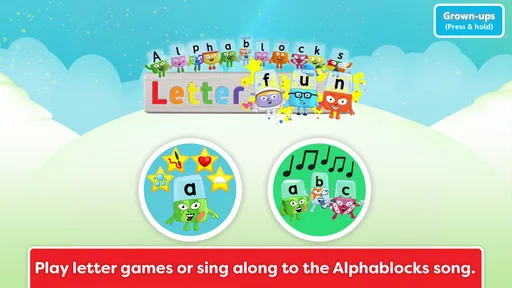
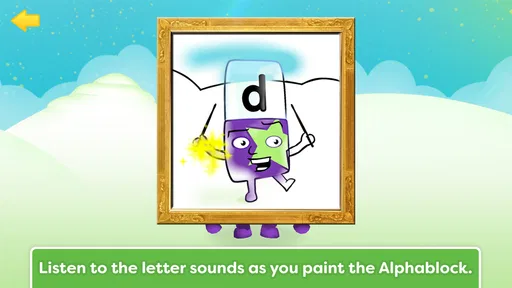
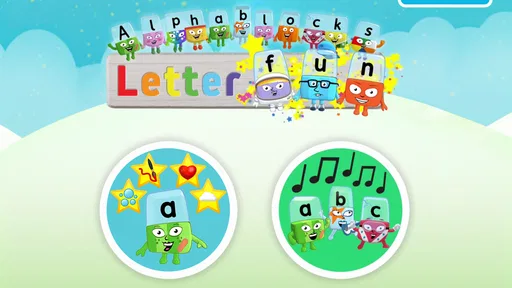
First off, the app is based on the popular TV series, Alphablocks, which already sets it up for success. It's a colorful and engaging way for kids to get acquainted with letters and sounds. The app provides a safe and interactive environment where kids can explore different alphabets and phonics through playful interactions.
Visuals and Sound
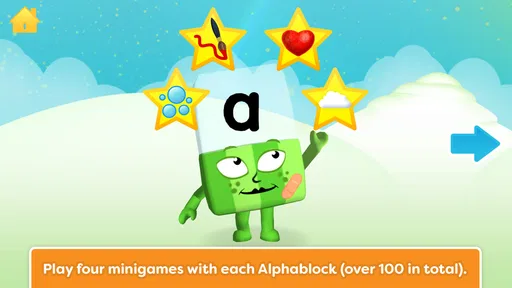
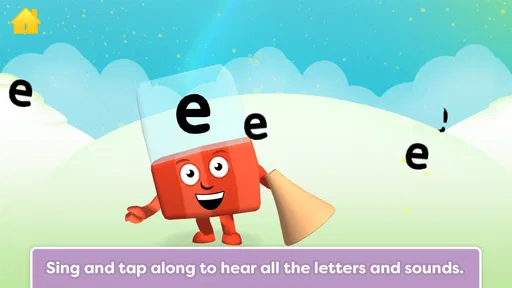
The first thing that strikes you is the vibrant visuals. The graphics are bright and cheerful, which is perfect for keeping young minds engaged. Every letter has its own personality and voice, making it easier for kids to remember. The sound effects and music are catchy without being overwhelming, striking a nice balance that keeps the focus on learning.
Interactive Learning
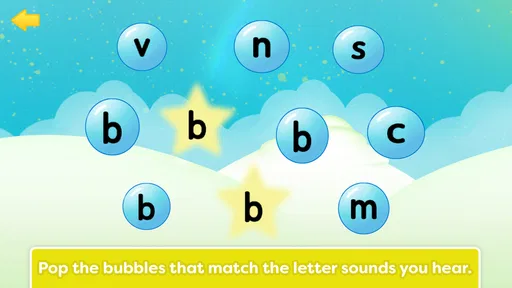
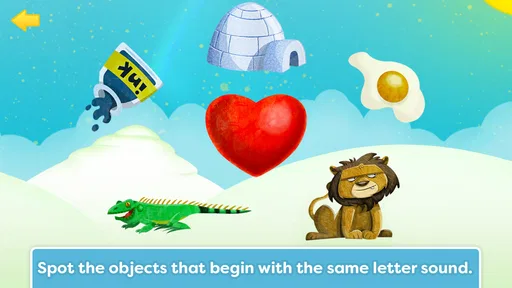
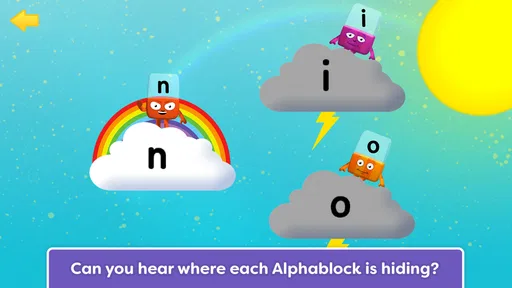
What I love about Alphablocks: Letter Fun! is how it cleverly integrates learning with play. Kids can play games that challenge them to create words, recognize sounds, and even solve simple puzzles. It's like stealth learning—kids are having so much fun they don't even realize they're learning. The interactive nature keeps them coming back for more.
Ease of Use
For parents and guardians, ease of use is a big deal. This app scores high here because of its intuitive interface. Navigation is straightforward, making it easy for kids to jump from one activity to another without getting lost. Plus, it doesn’t require constant supervision, allowing kids some independence while learning.
Educational Value
Now, onto the educational value—which is really the heart of this app. It’s designed to align with early learning goals, focusing on phonics and letter recognition. The structured approach helps in building foundational literacy skills. Each activity is crafted to reinforce learning, ensuring that the knowledge sticks.
Parental Controls and Safety
In today’s digital age, safety is paramount. The app includes features that allow parents to control what their kids are exposed to, making it a safe choice for families. There are no ads or in-app purchases, so you can hand over your device without worrying about unexpected charges or inappropriate content.
Final Thoughts
All in all, Alphablocks: Letter Fun! is a fantastic tool for early childhood education. It merges the best of entertainment and education, ensuring kids are not just glued to screens but learning something valuable. If you’re looking for an app that will engage your child in learning phonics and letters, this is definitely worth checking out. Plus, it’s available on both Android and iOS, so accessibility is a non-issue.
So, go ahead, give it a download and watch your little ones embark on a fun-filled learning adventure!
Verdict
Strengths of Alphablocks: Letter Fun!
- Interactive learning experience.
- Bright, engaging graphics.
- Suitable for young children.
- Enhances vocabulary skills.
- Offline mode available.
Limitations of Alphablocks: Letter Fun!
- Limited content without purchase.
- Requires frequent updates.
- Ads in the free version.
- Small screen text difficult to read.
- Some levels are repetitive.
Other Releases by Blue Zoo
View All
Meet the Numberblocks
Educational3.7

Numberblocks World
Educational3.6

Alphablocks World
Educational3.4

Numberblocks: Hide and Seek
Educational3.4
Similar Picks in This Category
View All
Little Panda Policeman
BabyBus4.0

Monster Trucks Game for Kids 2
Raz Games4.1

Little Panda's Chinese Recipes
BabyBus4.4

Little Panda's Restaurant
BabyBus4.4

Little Panda's Ice Cream Games
BabyBus4.3

Baby Panda Care
BabyBus3.8
Frequently Asked Questions
What is Alphablocks: Letter Fun! and who is it suitable for?
Alphablocks: Letter Fun! is an educational app designed to teach children the basics of phonics and letter recognition through interactive games and activities. It's primarily aimed at preschoolers and early learners aged 3 to 5. The app uses fun characters and colorful animations to engage young users and make learning enjoyable.
How does Alphablocks: Letter Fun! enhance a child's learning experience?
The app enhances learning by combining visual and auditory elements to teach phonics and letter recognition. Children interact with animated Alphablocks characters, each representing a letter, helping them understand the sounds and shapes of the alphabet. This multisensory approach reinforces memory and comprehension, making it easier for children to retain information.
Is Alphablocks: Letter Fun! available on all devices?
Alphablocks: Letter Fun! is available on both Android and iOS platforms, making it accessible to a wide range of users. Before downloading, ensure your device meets the app's system requirements. Compatibility varies depending on the version of the operating system, so checking the app's page on Google Play or the App Store is recommended.
Does Alphablocks: Letter Fun! require an internet connection to function?
Alphablocks: Letter Fun! primarily functions offline, allowing kids to play and learn without needing an internet connection. However, initial download and updates require internet access. Some features, such as additional content or parental guides, might also need a connection to access or update.
Are there any in-app purchases or ads in Alphablocks: Letter Fun!?
The app is designed to be child-friendly, typically free from ads to prevent distractions. However, there may be in-app purchases available for additional content or features. Parents should review these options in the app settings to understand any costs associated and manage them accordingly to ensure a seamless experience for their children.
Play our best games!


